
Travel Tomorrow? Last‑Minute Vaccine & Rx Checklist Toronto

Last-minute travel from Toronto can be both thrilling and stressful. You might have just booked a flight or received an unexpected opportunity to visit family or attend an event. Amid the excitement, …
MisterPharmacist Explains 20 Most Powerful Peptides: What They Do, What’s Hype vs Reality
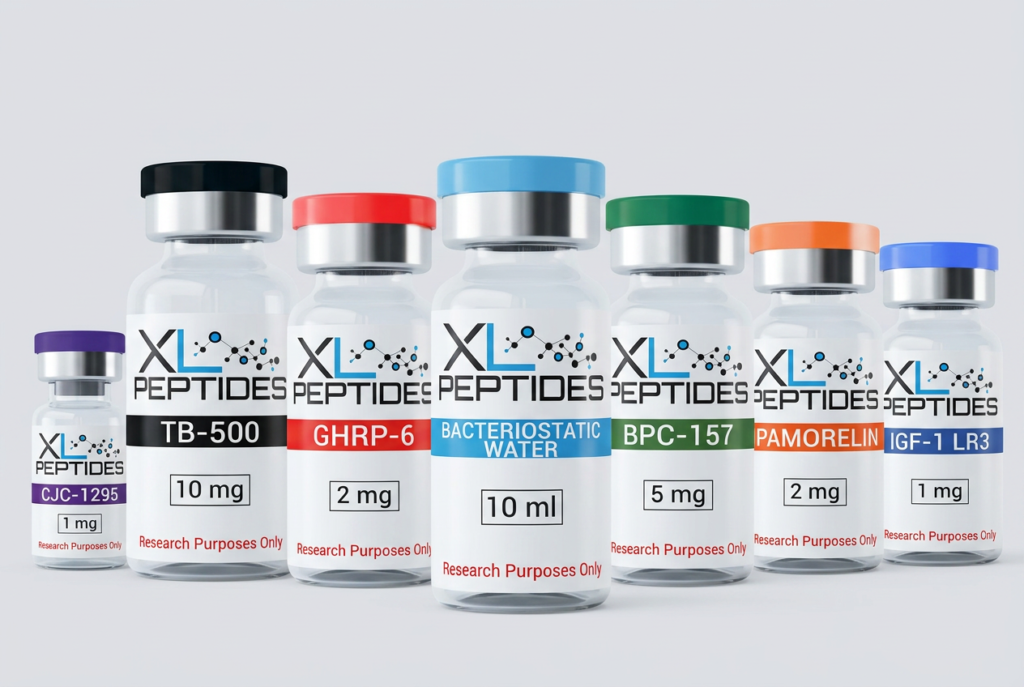
Doctor Explains 20 Most Powerful Peptides: What They Do, What’s Hype vs Reality I’m a pharmacist.And lately, I keep getting asked about peptides. Not quietly either.It’s everywhere. Gym conversations. TikTok. Patients walking in asking questions. So let’s talk about it. Not to promote them.Not to tell you where to buy them.But to give you a clear, grounded understanding of what’s actually going on. Because right now, curiosity is high… but clarity is low. Ground rules before you get excited Peptides are not harmless. They are short chains of amino acids, yes…but in the body, they act like signals. They can affect: So you’re not just “trying a supplement.” You’re changing physiology. And physiology always comes with trade-offs. Also: And most importantly… A lot of what you’re seeing online is not regulated medicine. The peptides people talk about most Let’s break this down into what people are actually using or asking about. Fat loss peptides This is where most people start. You’ll hear about things like: These are different. They are studied. Approved. Manufactured properly. They work by increasing fullness and improving blood sugar control. Then you move into the “next wave”: Now we’re entering mixed territory. Some data looks promising.Some claims are exaggerated.Some uses are very niche. And here’s the reality most people ignore: If you’re losing weight without resistance training…you’re often losing muscle too. Not just fat. Healing and recovery peptides This is where things start sounding almost magical. People call them “repair peptides.” Joints. Tendons. Gut. Faster recovery. Some people swear by them.Others feel nothing. A lot of the enthusiasm comes from anecdotal use and animal data. Not strong, consistent human trials. Immune and inflammation peptides Now we get into: These are discussed for inflammation control and immune modulation. Interesting? Yes. Proven in the way people talk about them? Not really. There’s a gap between research interest and real-world certainty. Muscle, growth, and performance peptides This is where you need to be very careful. We’re talking about pathways involving: Examples include: These are not casual substances. You’re influencing powerful systems tied to: And when you push those systems…you also open the door to unintended consequences. Brain and anxiety peptides This category attracts people looking for focus or calm: You’ll hear comparisons to medications like benzodiazepines or stimulants. Reality? Very mixed. Some feel better.Some feel worse.Some experience rebound or crashes. The brain is not something you “experiment” with casually. Skin, libido, and appearance peptides This is where hype spreads fast: Yes, some effects are real. But so are the concerns. For example: Changes in moles and skin pigmentation have been reported with Melanotan. That’s not something to ignore. Fertility and hormone signaling peptides Finally: This one actually has strong research in fertility settings. It works through hormone signaling pathways. But again… Research setting does not equal casual self-use. Now let me say this clearly as a pharmacist This is the part people don’t like hearing. I do not recommend these peptides. Not in the way they are currently being used. Because what I’m seeing right now is concerning. I see people who are skeptical of prescribed medications…but completely comfortable injecting something from an unknown source. No proper dosing standards.No manufacturing oversight.No sterility guarantees. And I’ll be blunt. I personally know people entering this space. Buying machines online.Learning from videos.Producing injectable products. Injectables. That should only be done in controlled, sterile pharmaceutical environments. Not garages. Not back rooms. Not trial-and-error setups. This is not a supplement you’re swallowing. This is something you are injecting directly into your body. The logic problem If you don’t trust regulated medicine… Why would you trust unregulated injectables? That’s the disconnect. Curiosity is normal.But blind experimentation is not harmless. Final takeaway Peptides are interesting.Some may eventually have a real place in medicine. But right now: Until we have: Clear regulationReliable clinical dataStandardized dosingPharmaceutical-grade production You should not be injecting these. That’s my professional stance. No hype. No agenda. Just safety If you want real, practical breakdowns of what actually works… and what’s just noise… Follow along. A
Swimmer’s Ear: Ontario Pharmacist Treatment and Prevention Tips

Learn how Ontario pharmacists treat and prevent swimmer’s ear with expert tips, medications, and convenient care options.
Can Ontario Pharmacists Prescribe for Sinus Headaches?

Learn if Ontario pharmacists can prescribe for sinus headaches and explore their expanded minor ailments prescribing authority in 2025.
Pharmacist Treatment for Eye Styes in Ontario: Fast Relief Options
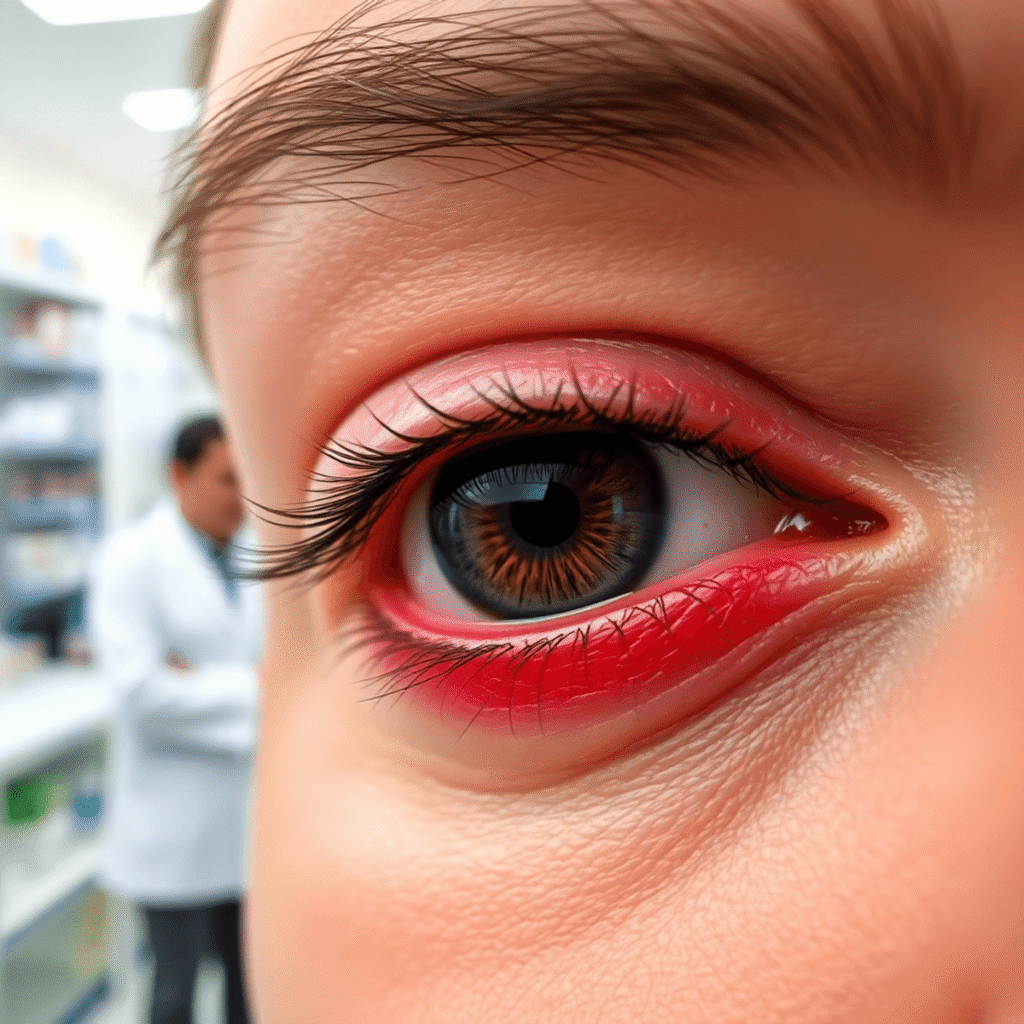
Discover fast relief for eye styes in Ontario with expert pharmacist treatments. Book your assessment online today!
Gas and Bloating Relief from an Ontario Pharmacist

Get expert gas and bloating relief tips from Ontario pharmacists, including OTC remedies and probiotic benefits for digestive health.
Can a Pharmacist Prescribe for Stomach Ulcers in Ontario?

Learn about pharmacist prescribing for stomach ulcers in Ontario, minor ailments scope, and when to seek physician care.
How Ontario Pharmacists Treat Traveler’s Diarrhea

Learn how Ontario pharmacists assess and treat Traveler’s Diarrhea with expert care and evidence-based guidelines.
Wart Removal Options from an Ontario Pharmacist

Explore wart removal options and pharmacist-led treatments in Ontario’s minor ailment program for effective care and guidance.
Ontario Pharmacist Treatment for Contact Dermatitis

Discover how Ontario pharmacists diagnose and treat contact dermatitis with safe, accessible care for minor skin conditions.