
How Pharmacists Can Help Manage Chronic Conditions Remotely

Discover how pharmacists use telehealth to manage chronic conditions remotely, improving patient care and access.
B12 Injections: Benefits, Risks, and Who Should Consider Them

Learn about B12 injections: benefits, risks, who should consider them, and how they help treat vitamin B12 deficiency effectively.
Travel Vaccinations: What Torontonians Need to Know Before Their Next Trip

Essential travel vaccination tips for Torontonians to stay protected and healthy on international trips. Plan and consult early!
Frequently Asked Questions About Prescription Refills and Renewals Online

Learn how to easily manage prescription refills and renewals online through VA and MHS GENESIS portals for timely medication access.
Unlocking the Secrets of Your Local Pharmacy: 10 Essential Tips for Smarter Medication Management

Navigating the world of prescriptions can often feel overwhelming, leaving many people unsure of how to effectively manage their medications. Your local pharmacy is more than just a stop for filling prescriptions; it’s a treasure trove of knowledge and support that can transform the way you handle your health. In this article, we’ll uncover 10 essential tips for smarter medication management that will empower you to take charge of your wellness journey. From understanding dosage schedules to leveraging pharmacist expertise, these insights will help you navigate your medications with confidence. Whether you’re managing chronic conditions or simply looking to optimize your health routine, unlocking these secrets will ensure you maximize the benefits of your medications while minimizing potential risks. Let’s dive in and discover how to effectively partner with your local pharmacy for a healthier, more informed you! 10 Essential Tips for Smarter Medication Management 1-Unlocking the Secrets of Your Local Pharmacy: Navigating the world of prescriptions can often feel overwhelming, leaving many people unsure of how to effectively manage their medications. Your local pharmacy is more than just a stop for filling prescriptions; it’s a treasure trove of knowledge and support that can transform the way you handle your health. In this article, we’ll uncover 10 essential tips for smarter medication management that will empower you to take charge of your wellness journey. From understanding dosage schedules to leveraging pharmacist expertise, these insights will help you navigate your medications with confidence. Whether you’re managing chronic conditions or simply looking to optimize your health routine, unlocking these secrets will ensure you maximize the benefits of your medications while minimizing potential risks. Let’s dive in and discover how to effectively partner with your local pharmacy for a healthier, more informed you! 2-Understanding Your Local Pharmacy’s Role in Healthcare Your local pharmacy plays a crucial role in the healthcare system, serving as a bridge between you and your healthcare providers. Pharmacists are highly trained professionals who possess extensive knowledge about medications, their uses, and potential side effects. They are equipped to provide personalized advice and support tailored to your specific health needs, making them an invaluable resource in your medication management journey. Beyond dispensing medications, pharmacies offer a wide range of health services, including vaccinations, health screenings, and wellness consultations. Many pharmacies now offer medication therapy management (MTM) services, where pharmacists work closely with patients to optimize their medication regimens, ensuring they achieve the best possible outcomes. By understanding the breadth of services available at your local pharmacy, you can take full advantage of the support they offer. Pharmacists also play a vital role in patient education, helping you understand how to take your medications correctly, what to expect in terms of effects and side effects, and how to manage any potential interactions with other medications or supplements you may be taking. By fostering a strong relationship with your pharmacist, you can gain a deeper understanding of your medications and how they fit into your overall health plan. 3-The Importance of Medication Management Effective medication management is essential for ensuring that you get the maximum benefit from your treatments while minimizing any potential risks. Poor medication management can lead to missed doses, incorrect usage, and adverse reactions, all of which can negatively impact your health. By taking a proactive approach to managing your medications, you can improve your health outcomes and enhance your overall quality of life. One of the key aspects of medication management is adherence, which refers to taking your medications exactly as prescribed by your healthcare provider. Adherence can be challenging for various reasons, including complex dosing schedules, side effects, and forgetfulness. However, by implementing strategies such as setting reminders, using pill organizers, and enlisting the help of your pharmacist, you can stay on track with your medication regimen. Another important component of medication management is monitoring for potential drug interactions and side effects. This involves keeping a comprehensive list of all the medications you are taking, including over-the-counter drugs and supplements, and regularly reviewing this list with your pharmacist. By staying vigilant and informed, you can quickly identify and address any issues that may arise, ensuring your medications work as intended. 4-How to Build a Relationship with Your Pharmacist Building a strong relationship with your pharmacist is one of the most effective ways to optimize your medication management. Pharmacists are accessible healthcare professionals who can provide valuable insights and support tailored to your individual needs. By establishing open lines of communication, you can ensure that you receive the best possible care and guidance. Start by introducing yourself to your pharmacist and sharing relevant information about your health conditions, medications, and any concerns you may have. This will help your pharmacist gain a better understanding of your unique situation and enable them to provide more personalized advice. Don’t hesitate to ask questions or seek clarification on any aspect of your medication regimen; your pharmacist is there to help. Regularly update your pharmacist on any changes to your health status or medication regimen, including new prescriptions, over-the-counter drugs, and supplements. This will allow your pharmacist to monitor for potential interactions and make any necessary adjustments to your treatment plan. By maintaining open and honest communication, you can foster a collaborative relationship that supports your overall health and well-being. 5-Tips for Organizing Your Medications Keeping your medications organized is a crucial aspect of effective medication management. A well-organized system can help you stay on track with your dosing schedule, reduce the risk of missed doses or double dosing, and ensure that you always have your medications on hand when you need them. One of the most effective ways to organize your medications is by using a pill organizer. These handy tools come in various sizes and configurations, allowing you to sort your medications by day and time. Pill organizers can be especially helpful for individuals with complex medication regimens, as they provide a clear visual reminder of when each dose needs to be taken. In addition to using a pill
The Role of Pharmacists in Managing Minor Ailments in Ontario

Discover how Ontario pharmacists manage minor ailments, improving healthcare access and easing system burdens with expanded prescribing.
Did You Know MTHFR Could Be a Key Player in ADHD?

Discover how MTHFR gene variants impact ADHD, brain health, and why genetic testing may lead to more effective, personalized treatments.
How to Choose the Right Allergy Treatment for Your Needs

Discover effective allergy treatments for 2025. Manage symptoms with medications, natural remedies, and lifestyle tips. Stay informed!
Emergency Prescription Delivery: Who Qualifies and How It Works
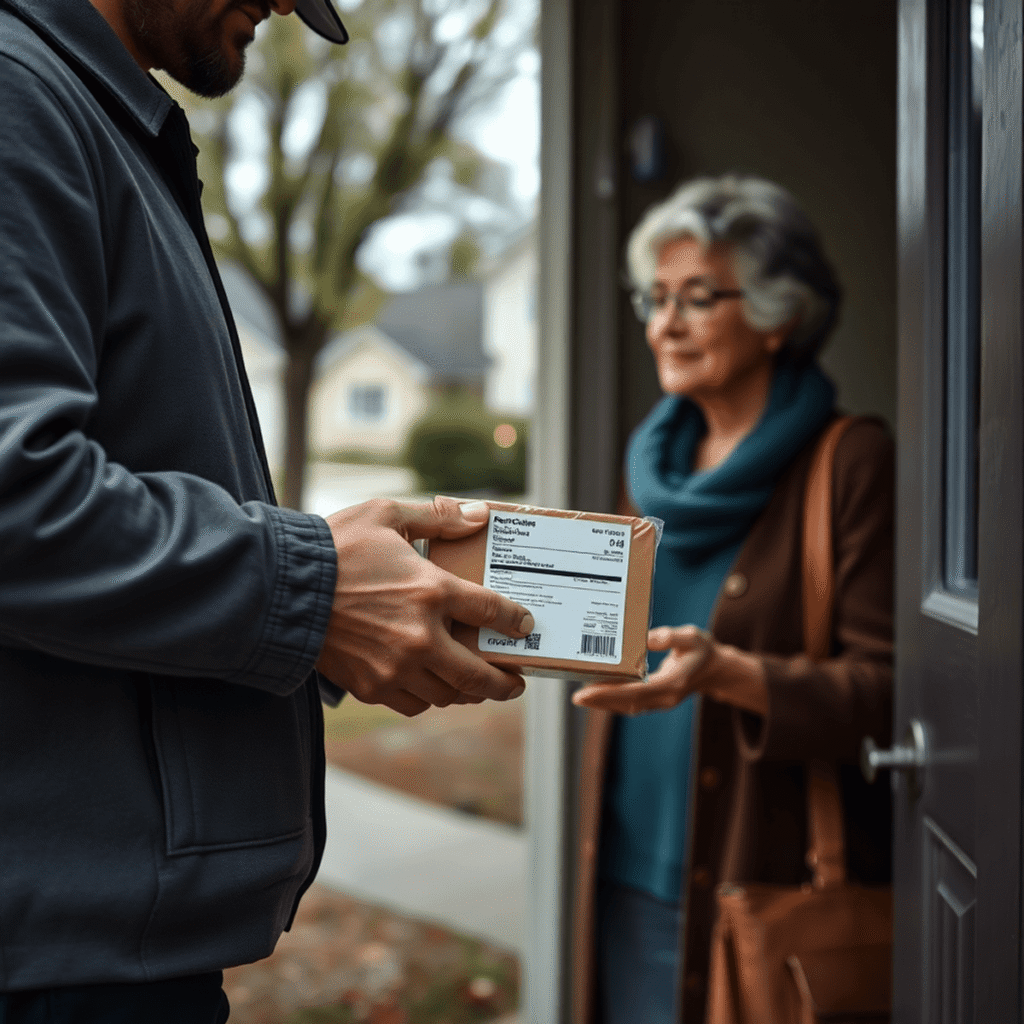
Learn who qualifies for emergency prescription delivery, how it works, and get meds fast with same-day or next-day service options.
Understanding ADHD Medication Options: Vyvanse, Concerta, and More
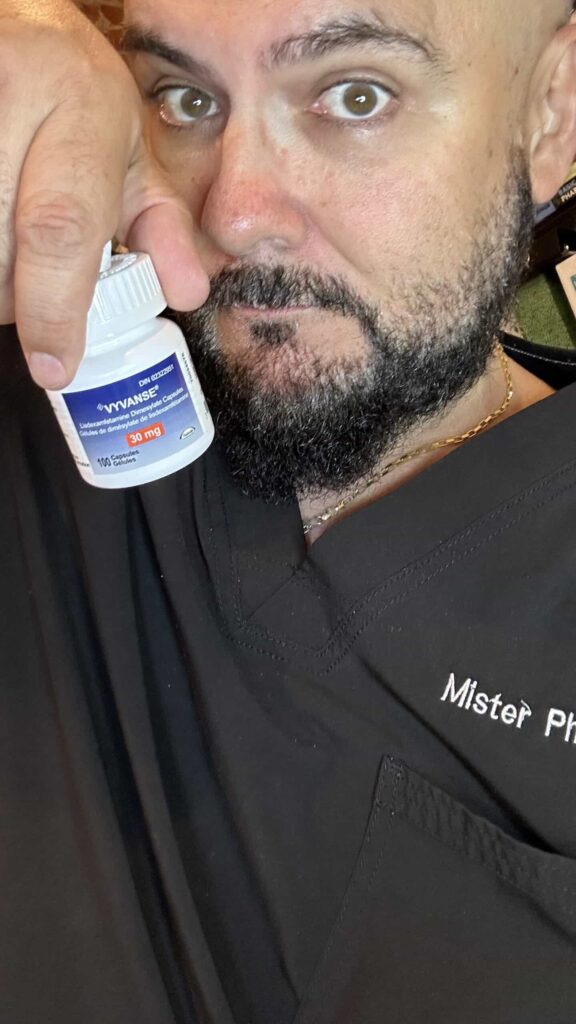
Explore ADHD medication options like Vyvanse and Concerta, their uses, dosages, side effects, and treatment benefits.