
Mister Pharmacist can Prescribe for Cold Soles (herpes labialis) (January 2023)
Herpes labialis is characterized by the appearance of tiny, excruciating blisters, also referred to as cold sores, on or near the lips, nostrils, and mouth. T Typically, children experience the symptoms for the first time. Cold sores typically disappear on their own after 1 to 2 weeks and might arise alone or in tiny groups. The blister typically develops a scab before it cures. Sometimes the presence of blisters is preceded by tingling, itching, discomfort, or burning. Causes Herpes simplex virus, which causes cold sores, spreads by saliva or contact with the blister-like lesions. When they first become apparent until they entirely crust over, they are most contagious. While the herpes virus that affects the mouth and lips can also cause genital herpes and vice versa, cold sores and genital herpes are typically brought on by two separate strains of the same virus. Herpes labialis can infect someone at any time, but for most people, symptoms do not manifest for a long time after the first infection (sometimes years at a time). However, some people may only experience one cold sore episode in their lifetime. Stress, exposure to the sun or cold, and other situations can occasionally make cold sores reactivate. Treatment To stop the infection from spreading to other body regions, stop superinfection, and hasten the healing process, the following steps are advised: Wash your hands often. Wash blisters gently in warm water and light soap. Apply a moisturizing ointment to the lips (e.g., Vaseline). Additionally, your doctor might recommend a medication to treat the virus. When used as soon as a cold sore appears, this sort of treatment is most successful. Other therapies, such as painkillers applied topically (Zilactin®) and orally (Tylenol®, for example), reduce symptoms without addressing the cold sore. Consult Mister pharmacist for more details. He will first recommend over the counter products like Abreva® or sit down with you to review your medical history and prescribe something stronger like Zovirax® and or Valtrex®. Talk to him! Keep your lips moisturized to stop cold sores from coming back. Find out what causes cold sore episodes (stress, sun, cold, etc.) and try to avoid them. Additionally, it is crucial to apply sunscreen before going outside. Finally, until the cold sore has completely healed, take the following precautions to prevent spreading the infection to others: Do not kiss. Do not share towels, lip balm, cups, utensils, or razors. When should I make an appointment with a doctor? if 14 days of treatment have passed with no progress. If the cold sore intensifies or the skin surrounding it turns red (it may be infected). If you experience sickness after getting a cold sore, have a fever, or have swollen lymph nodes. Your doctor might be able to provide medication to lessen the frequency of outbreaks if you experience cold sores frequently (six or more per year).
What Are Cold Sores? A Friendly Guide
Cold sores are those pesky little blisters that often pop up on the outer edge of your lips or near your nostrils. You might also hear them called “fever blisters.” They can show up solo or bring a few friends along, forming a small cluster. These blisters usually fill up with a clear, sticky fluid before breaking open. After that, they crust over and form a scab. Yep, they can be a bit uncomfortable, causing itchiness or even pain. But don’t worry, they usually heal on their own within 1–2 weeks. However, treating them can speed up the healing process. How to Take Care of Cold Sores ???? Hands Off!: Try to avoid touching the cold sore with your fingers. Clean Hands, Happy Life: Wash your hands frequently with soap and water. This not only keeps the sore from getting infected but also prevents the virus from spreading. Gentle Care: Wash the cold sore softly with mild soap and water to keep it clean. Your Towel, Your Rules: Always use your own towel and don’t share it with others. Moisturize: Apply an ointment like Vaseline to keep the sore from drying and cracking, which helps in preventing further infection. How to Prevent Spreading Cold Sores to Others ???? No Sharing Allowed: Avoid sharing utensils, drinking containers, razors, or towels. Sealed Lips: Refrain from kissing or engaging in oral sex while you have a cold sore. Be Extra Cautious: Avoid skin-to-skin contact with vulnerable individuals like young children, people with eczema, or those with compromised immune systems. When to Seek Medical Help ???? Getting Worse?: If the sore worsens or shows signs of infection like redness or pus, consult a healthcare provider. Allergic Reaction: Stop using any numbing ointment if the skin around the sore becomes red and swollen. Persistent Sore: If the sore doesn’t heal after 14 days, it’s time to seek medical advice. Frequent Outbreaks: If you get cold sores often (6 or more times a year), your healthcare provider may prescribe medication to reduce the frequency. Discuss Treatment Options: If you’re looking for medications to make your cold sore less painful or heal faster, consult your healthcare provider. Preventive Measures for Cold Sores ???? Self-Care: Stress and fatigue can trigger cold sores. So, focus on stress management, get enough sleep, and maintain a balanced diet. Sun Protection: Some people get cold sores after sun exposure. Use sunscreen (minimum SPF 30) on your lips and face, and consider wearing a wide-brimmed hat. What Causes Cold Sores? ???? Cold sores are caused by the herpes simplex virus and are most contagious when they first appear until they crust over. Once you have the virus, you may experience occasional outbreaks throughout your life. Triggers can include stress, fatigue, bright sunlight, and hormonal changes. Extra Tips ???? Ointment Application: Use a clean, cotton-tipped swab to apply ointment. If you use your finger, wash your hands before and after. Pain Relief: Consult your healthcare provider for pain medication options like acetaminophen, ibuprofen, or naproxen. Topical Relief: Ask your healthcare provider about ointments or antiviral creams that can relieve pain and itching and may help the sore heal faster. I hope this guide helps you understand cold sores a bit better! Take car
Oral Herpes Labialis (Cold Sores)
You might experience a few of the following signs: rash or lump around the lip’s edge. presence of transparent, gooey fluid surrounding the rash Rash symptoms include tingling, burning, and itching. Skin that is red or irritated around the rash. HOW TO TREAT A COLD SORE (HSV) Herpes labialis, also known as cold sores or fever blisters, is caused by the herpes simplex virus (HSV). The virus is highly contagious and can be spread through direct contact with an infected person or through contact with an object that has the virus on it. So be considerate if you have an active cold sore- don’t share your utensils, your can of Perrier or of course kiss someone! Treatment for herpes labialis typically involves antiviral medications, which can help to reduce the duration and severity of outbreaks. Commonly used antiviral medications for herpes labialis include acyclovir, valacyclovir, and famciclovir. These medications are usually taken orally and can be used to both treat an active outbreak and to prevent future outbreaks. If your assessment or history points to an awakened cold sore episode, Mister Pharmacist will probably issue you a very standard prescription of Valacyclovir (2x 500mg tablets) for 2 doses and an ointment of Acyclovir ointment to be applied 5 times a day. It is important that you contact Mister Pharmacist the morning you feel that the outbreak is making an appearance… -you know – that familiar tingling feeling. Please dont wait more than 3 days to start a treatment since at that point the virus has entered back into your lymph nodes. At that point your sore has probably crusted over and you should watch not to pick at it otherwise it will get infected with bacteria and will need potentially an antibiotic ointment. In addition to antiviral medications, there are several things you can do to help alleviate symptoms and prevent the virus from spreading: Apply a lip balm or cream that contains sunscreen to help protect your lips from further sun exposure, which can trigger outbreaks Apply a lip balm or cream that contains a moisturizer to help keep your lips hydrated You have probably seen recommendation to apply a cream or ointment containing a numbing agent, such as lidocaine, to help alleviate pain and discomfort. Might work. Might not. Apply a cream or ointment containing a drying agent, such as calamine, to help dry up the blister. Avoid touching or picking at the sore to prevent the virus from spreading Practice good hygiene by washing your hands frequently Avoid sharing personal items such as towels, lip balms, or lipsticks and like mentioned before.- no saliva exchange during the first 72 hours of the outbreak. Red Flags that may require you to see a doctor first Red eyes or eye pain Blister/sore present on/around nose Persistent, frequent, or swollen blisters/sores Sore present for more than 2 weeks More than one blister/sore (1+) More than 6 episodes a year First time experiencing a cold sore Poor/weakened immune system (could be from medication or medical condition) Infection suspected (very red/swollen and/or pus) Fever, sore throat, swollen lymph nodes, muscle aches, or generally feeling unwell Age < 12 years old It’s important to see a doctor if you have a persistent or recurrent outbreak, or if your symptoms are severe. It may be a symptom of extremely weak immune system and you need to know what else is going on!
Hemorrhoids
You might experience a few of the following signs: Anal/rectum region is itchy, burning, or swelling (with or without pain). Having a bowel movement is difficult You may have a lump in the anal/rectum region Treatment for uncomplicated hemorrhoids typically includes lifestyle changes and over-the-counter medications. These may include: Increasing your intake of fiber and fluids to soften your stool and reduce constipation Using over-the-counter creams or ointments to help reduce itching and inflammation Taking over-the-counter pain relievers, such as ibuprofen or acetaminophen, to alleviate pain Using stool softeners or laxatives, if necessary, to prevent constipation Avoiding prolonged sitting or standing Practicing good hygiene to keep the area clean It’s important to see a doctor if you have persistent rectal bleeding, severe pain, or if over-the-counter treatments have not been effective and has lasted more than 7 days. At MisterPharmacist®, you may receive a prescription for Anusol HC/generic to help for swelling and itch while you continue with the recommendations above. If these measures do not provide relief, your doctor may recommend additional treatments such as rubber band ligation or sclerotherapy. In severe cases, surgery may be necessary.
Acid Reflux (GERD Gastroesophageal Reflux Disease)
You might experience a few of the following signs: Burning sensation in stomach Burning sensation behind breast bone Burning sensation in back of throat Burping of burning fluid or sour taste in mouth Stomach contents moving up the throat Nausea/vomiting Symptoms occur after meals Symptoms occur when lying down or bending over Excessive saliva (watery mouth) HOW TO TREAT ACID REFLUX -AKA GERD Treatment for uncomplicated acid reflux, also known as gastroesophageal reflux disease (GERD), typically involves lifestyle changes and over-the-counter medications. These may include: Avoiding foods and drinks that can aggravate acid reflux, such as fatty foods, spicy foods, chocolate, caffeine, and alcohol Eating smaller, more frequent meals instead of large meals Waiting at least 3 hours after eating before lying down or going to bed Losing weight if you are overweight or obese Wearing loose-fitting clothing Avoiding tight waistbands, belts or clothing that put pressure on the abdomen Over-the-counter antacids, such as Tums, Rolaids, PeptoBismol, AlkaSelzter which can neutralize stomach acid and provide quick relief Over-the-counter H2 receptor antagonists, such as famotidine (Pepcid® or Pepcid Complete®) , which can reduce stomach acid production and provide longer-lasting relief Over-the-counter proton pump inhibitors (PPIs), such as esomeprazole (Nexium® 20mg), which can also reduce stomach acid production and provide longer-lasting relief If these measures do not provide relief, Mister Pharmacist may recommend additional treatments such as prescription-strength medications (Nexium® 40mg, Prevacid, Dexilant). If insufficient to help in 2-4 weeks, your doctor should be consulted and could potentially add prokinetics (drugs that help to strengthen the muscle between the stomach and the esophagus) or in some cases surgery. It’s important to see a doctor if you have persistent symptoms, difficulty swallowing, or the current treatments have not been effective. Red Flags that should highly encourage you to see a doctor Severe symptoms interfering with daily activities Pain in chest, shoulder, neck, arm Shortness of breath or sweating Difficulty swallowing or severe pain when swallowing Repeated vomiting, bloody/black vomit, &/or unexplained weight loss Dark/black or tarry bowel movements Chronic coughing, choking, wheezing, hoarse throat, sore throat, or throat clearing Dizziness, fatigue, pale skin, cold hands/feet Immediate family member has had a cancer of the gastrointestinal tract/digestive system Abnormal growth or swelling in stomach History of H. Pylori infection
Period Cramps (Dysmenorrhea)
You might experience a few of the following signs: Pain or cramps in lower stomach Pain moves to back and/or upper thighs Occurs at the beginning of my period/just before my period Pain/cramps last less than 3 days Nausea Vomiting Fatigue Headache Diarrhea HOW TO TREAT UNCOMPLICATED MENSTRUAL CRAMPS Dysmenorrhea, or menstrual cramps (painful periods), can be treated with a combination of lifestyle changes and medications. Lifestyle changes that may help to alleviate symptoms include: Regular exercise, such as walking or yoga Adopting a healthy diet that is high in fruits, vegetables, and whole grains Reducing stress through relaxation techniques such as meditation or deep breathing Avoiding smoking and alcohol Getting enough sleep Medications that can be used to treat dysmenorrhea include: Nonsteroidal anti-inflammatory drugs (NSAIDs) which can help to reduce pain, inflammation and can be taken as soon as the menstrual cramps start Over the counter choices include Naproxen 220 mg (as directed) or Ibuprofen 400-600mg (as directed). Hormonal birth control, such as the pill or an intrauterine device (IUD), which can help to regulate menstrual cycles and reduce cramping. If you have severe dysmenorrhea or your symptoms have not improved with lifestyle changes, over-the-counter medications or the Mister Pharmacist prescription of NSAIDs, it is important to see a doctor. Your doctor may recommend additional treatments such as prescription pain medication or hormonal therapy. It’s also important to note that if you have heavy menstrual bleeding or irregular cycles, you should see a doctor to rule out any underlying medical conditions. Red Flags than may require you to see a doctor Fever Vaginal discharge Painful intercourse or bleeding after intercourse Abnormal heavy menstrual bleeding Persistent menstrual bleeding (between periods) Feel lump in stomach or pelvic area Changes in menstrual fluid (colour/odour/flow) Pain only on one side (left or right) New pain/cramps occuring outside of regular menstrual period Started > 2 years after first menstruation Over age 25 and this pain is new Symptoms that happen outside the first 3 days of menstruation, or timing is not related to menstrual cycle Pelvic disease Ovarian cysts/fibroids Inflammatory bowel disease Irritable bowel disease Uterine polyps Heart disease or family history of early heart disease Heart attack, stroke, uncontrolled high blood pressure, diabetes, high cholesterol Peripheral artery disease Bleeding disorder or taking a blood thinner Had an IUD (intrauterine device) inserted within the last 6 months Medical Emergency Screening If you are experiencing a medical emergency, call 9-1-1 or go to your nearest hospital emergency room.
Say Goodbye to Menstrual Pain: Break Free From the Agony with Mister Pharmacist’s help!”
For many women, menstruation can be a time of physical and emotional discomfort. An estimated 90% of women experience bothersome symptoms during their period, such as dysmenorrhea (menstrual pain) and menorrhagia (heavy menstrual bleeding -subject to another article) . Of this percentage, one in three women suffer from moderate to severe symptoms that can significantly interfere with their daily activities and quality of life. While the cause of menstrual symptoms is still debated, it is thought that uterine contractions triggered by the drop in progesterone at the start of a period may be to blame. This disruption in hormone levels can lead to dysmenorrhea symptoms that usually peak when menses are heaviest and can last two to three days. Fortunately, there are treatments available to manage the symptoms of dysmenorrhea and menorrhagia. At Mister Pharmacist, we understand that having dysmenorrhea can be a debilitating experience for many women. That’s why we are here to help you find the best treatments for managing your condition. When it comes to treating dysmenorrhea, there are many nondrug treatments that you can use to manage the pain and discomfort associated with it. Some Non Drug treatment approaches include: 1. Yoga and Meditation: Practicing yoga can be a great way to relax and reduce stress, which can help reduce the pain and cramping that comes with dysmenorrhea. Meditation can also help to alleviate stress and improve your overall wellbeing. 2. Diet: Eating a healthy, balanced diet with plenty of fruits and vegetables can help to improve your body’s response to pain. Also, incorporating foods that are high in magnesium, such as dark leafy greens, legumes, and nuts, can help to reduce the intensity of your menstrual cramps. 3. Heat: Applying a heating pad or hot water bottle to your lower abdomen or lower back can help to relax the muscles in the area and reduce the painful cramping associated with dysmenorrhea. 4. Exercise: Regular physical activity can help to reduce stress and relieve cramping. Low-impact activities such as walking, swimming, and cycling are great ways to get your body moving and reduce the intensity of your painful periods. 5. Complementary Therapies: Complementary therapies such as acupuncture, acupressure, massage, and herbal remedies may also be helpful in reducing the pain associated with dysmenorrhea. Transcutaneous electrical nerve stimulation (TENS) can also be of value (think “Dr. Ho” devices popularized in infomercials). Don’t smoke, as smoking as been shown to increase dysmenorrhea episodes. Drug Treatment of dysmenorrhea Medication plays an important role in the treatment of dysmenorrhea, or painful menstruations. Medications can be used to reduce the symptoms and severity of dysmenorrhea, which can significantly improve a woman’s overall comfort and well-being. The two major types of dysmenorrhea are primary dysmenorrhea and secondary dysmenorrhea. 1) Primary dysmenorrhea is caused by normal hormonal changes and affects women during each menstrual cycle. This type of dysmenorrhea is usually treated with non-steroidal anti-inflammatory drugs (NSAIDs). NSAIDs reduce inflammation, which can reduce the intensity of menstrual cramps. Common NSAIDs used to treat primary dysmenorrhea are ibuprofen, naproxen sodium, and aspirin. Acetaminophen is less effective than NSAIDs for relieving dysmenorrhea ; however, it has better gastrointestinal tolerance compared to NSAIDs. Many OTC menstrual pain preparations (e.g., Midol Complete, Pamprin [U.S.], etc) contain Acetaminophen, yet there is no good evidence that these combination products are effective for dysmenorrhea. Although many of these preparations contain mild diuretics (caffeine, pamabrom), there is very little evidence to support their use. Pyrilamine, an antihistamine, is sometimes included in these preparations for its proposed action on water retention, but its efficacy remains unproven. 2) Secondary dysmenorrhea is caused by a medical condition, such as endometriosis, pelvic inflammatory disease, or uterine fibroids. This type of dysmenorrhea is usually treated with hormone therapy or surgery. If a medical condition is the cause of secondary dysmenorrhea, medications may be prescribed to control the underlying condition, such as oral contraceptives or gonadotropin-releasing hormone agonists (GnRH agonists). When medications are used to treat dysmenorrhea, it is important to discuss any possible side effects with your doctor. Some medications may cause nausea, vomiting, or headaches, which can be uncomfortable and disruptive. Other medications, such as GnRH agonists, can cause irregular menstrual cycles or bone density changes. What is the role of Hormonal Contraceptive In menstrual pain. Combined hormonal contraceptives (CHCs) are a safe and effective option for managing dysmenorrhea for women who also want contraception and have no contraindications. CHCs suppress ovulation and reduce symptoms associated with dysmenorrhea in women. This is especially true if the CHCs are used in a continuous-cycle dosing, such as extended-cycle products, skipping the placebo pills. CHCs have been shown to be superior in reducing dysmenorrhea than other methods of contraception. This includes other hormonal methods such as the progestin-only pill, and non-hormonal methods such as barrier contraceptives. Furthermore, CHCs have also been compared to nonsteroidal anti-inflammatory drugs (NSAIDs), which are commonly used to reduce dysmenorrhea. It has been found that CHCs are more effective than NSAIDs in reducing dysmenorrhea. For women who cannot take estrogen, progestin-only oral contraceptives are an alternative to CHCs for dysmenorrhea. Treatment effects for dysmenorrhea appear to be comparable to CHCs. In addition, progestin-only contraceptives have been found to be superior in reducing the intensity of dysmenorrhea than other types of nonhormonal contraceptives. Depot medroxyprogesterone acetate (DMPA) has also been shown to reduce dysmenorrhea during contraception studies. DMPA is an injectable contraceptive that is typically administered every three months. This makes it a convenient option for women who do not want to take daily or weekly contraceptives, but still wish to manage their dysmenorrhea. Dietary Supplements Many women prefer to use dietary supplements as a natural treatment. However, there is limited evidence to support the use of many of these supplements in the treatment of dysmenorrhea. Fenugreek, fish oil, ginger, magnesium, vitamin B1, valerian, zataria, zinc, and other supplements have been used and promoted for the treatment of dysmenorrhea. However, a review of the available evidence suggests that there is insufficient data
Dermatitis (Skin Rash)
You may experience some of the symptoms below: Dry, red, and itchy skin Scaly and patchy skin Cracked and oozed blisters Darker or lighter patches of skin Atopic dermatitis, also known as eczema, is a chronic skin condition that causes dry, itchy, and irritated skin. Treatment options for atopic dermatitis include: Topical creams and ointments: These are applied directly to the affected areas and can help to reduce itching and inflammation. Examples include corticosteroids, calcineurin inhibitors, and moisturizing creams. Oral medications: These can include antihistamines to reduce itching, and immunomodulators to suppress the immune system. Light therapy: This is also known as phototherapy, which exposes the skin to controlled amounts of ultraviolet light to help reduce inflammation and itching. Lifestyle changes: Avoiding known triggers, such as certain fabrics, soaps, and detergents, can help reduce the frequency and severity of outbreaks. Keeping the skin moisturized and avoiding scratching can also help. It is important to talk to Mister Pharmacistl to determine the best course of treatment for you, as some medications may not be suitable for everyone and some conditions may require additional treatment. Your healthcare professional can also help identify the specific triggers that are causing your symptoms, which can be helpful in avoiding them. It’s also important to maintain good skin care routine, such as taking short lukewarm showers or baths, avoid hot water and prolonged shower, using mild soaps and avoiding using harsh scrubs or loofahs, and applying a moisturizer to the skin immediately after shower or bath to lock in moisture.
Skin SOS: Ointments vs. Creams – Which One Will Save Your Skin?
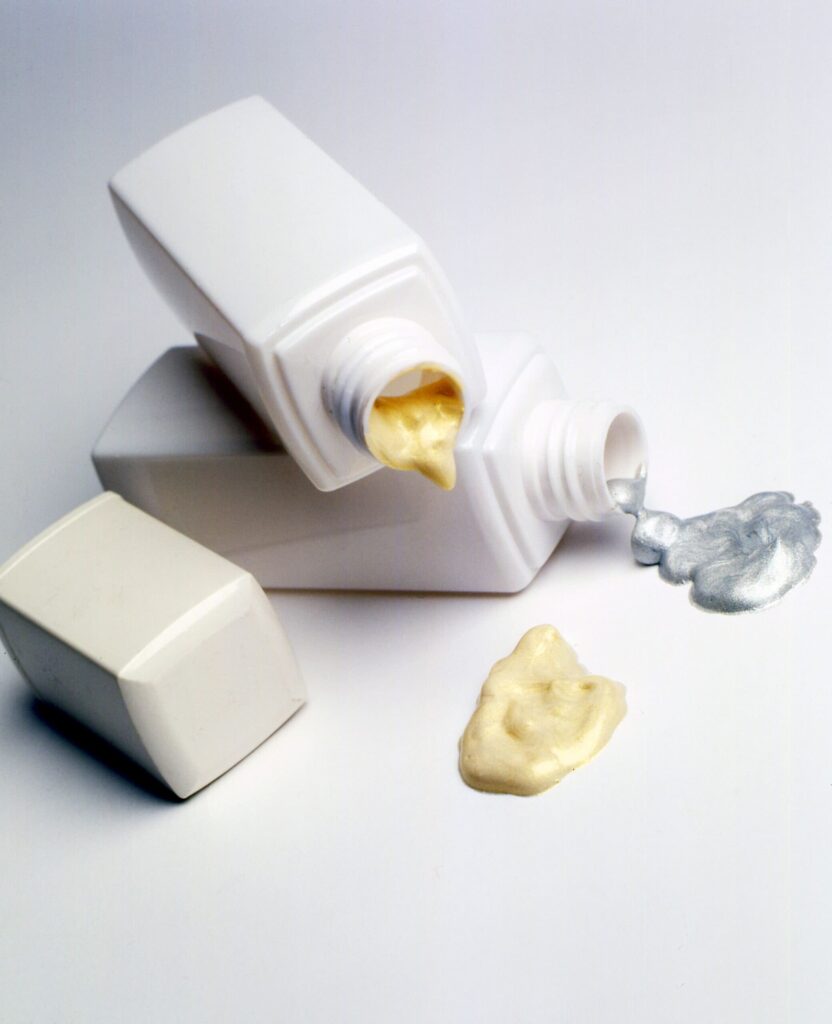
Introduction:When it comes to treating various skin conditions, selecting the appropriate topical medication is crucial for effective results. Ointments and creams are two commonly used formulations, each offering unique properties and benefits. This document aims to provide guidance on when to use an ointment versus a cream, outlining their characteristics, advantages, and suitable applications for specific skin conditions. 1. Understanding Ointments:Ointments are semi-solid, greasy preparations typically composed of a combination of oils and a water-in-oil emulsion. These formulations have the following characteristics:a. High oil content: Ointments contain a greater proportion of oils or petrolatum, resulting in a greasy texture and occlusive properties.b. Slow absorption: Ointments are slower to absorb into the skin due to their greasy nature.c. Enhanced moisturization: The occlusive properties of ointments promote better hydration and moisture retention.d. Increased drug penetration: The greasy base of ointments allows for better penetration of active ingredients. Suitable Uses of Ointments:a. Dry skin conditions: Ointments are highly effective in moisturizing and hydrating dry skin, making them suitable for conditions such as eczema, psoriasis, and xerosis.b. Thickened, scaly lesions: Ointments are particularly useful for managing thickened and scaly skin lesions, as their occlusive nature softens and loosens the scales, aiding in their removal.c. Overnight applications: Since ointments have a longer-lasting effect and tend to stay on the skin for an extended period, they are ideal for nighttime applications. 2. Understanding Creams:Creams are semi-solid emulsions composed of water and oil or water-soluble substances. They possess the following characteristics:a. Balanced composition: Creams have a balanced oil-to-water ratio, resulting in a smooth, non-greasy texture.b. Quick absorption: Creams are easily absorbed into the skin due to their lighter consistency.c. Cooling effect: The high water content of creams can provide a cooling sensation upon application.d. Flexible use: Creams can be formulated as water-in-oil or oil-in-water emulsions, allowing for a wider range of active ingredients to be incorporated. Suitable Uses of Creams:a. Moisturization: Creams are suitable for daily moisturization of the skin, especially for normal to slightly dry skin types.b. Acute inflammatory conditions: Creams are commonly used for conditions such as mild rashes, insect bites, and contact dermatitis, as they provide quick relief and are easy to spread on the affected area.c. Daytime applications: Creams are lighter and less greasy than ointments, making them more suitable for daytime use, especially under makeup. Choosing the right topical treatment for a skin condition is essential for optimal therapeutic outcomes. Ointments and creams offer distinct advantages based on their composition and properties. Ointments, with their occlusive and moisturizing characteristics, are preferable for dry, scaly conditions and overnight use. On the other hand, creams are well-suited for daily moisturization and the management of mild inflammatory conditions, providing quick absorption and a non-greasy feel. Consulting a healthcare professional or pharmacist is recommended for personalized advice and guidance regarding the specific skin condition and the most suitable topical treatment option.
Pink Eye (Conjunctivitis)
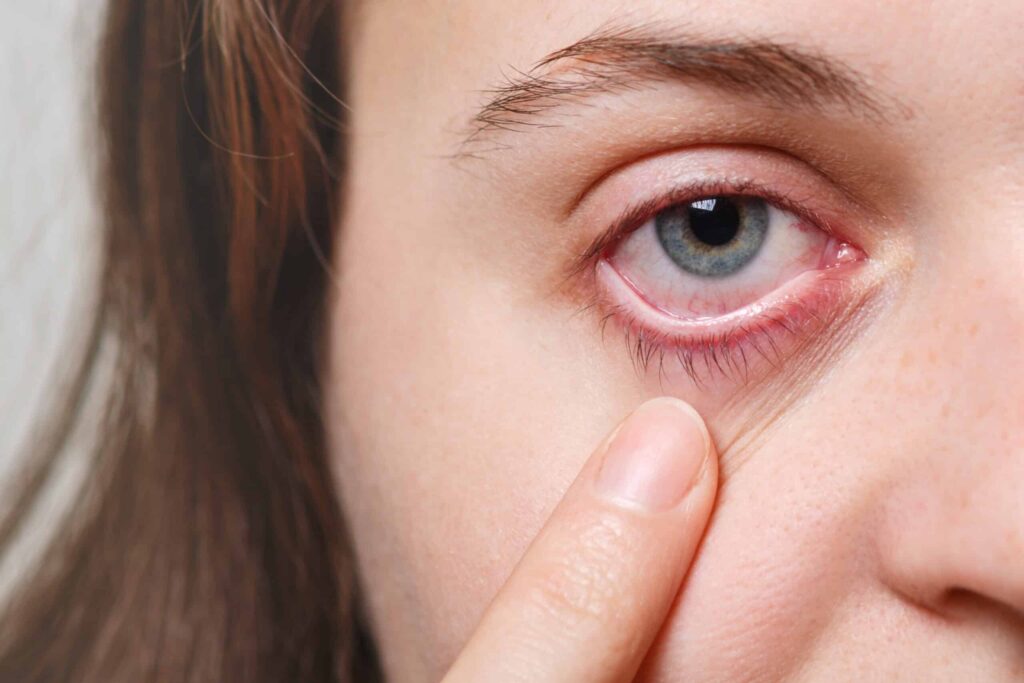
You might experience a few of the following signs: Eye redness and difficulties opening up the eyes in the morning Sticky or watery eye fluid Mild itchiness, burning, or scratching Can’t stand bright lights. Mild bacterial conjunctivitis, also known as pink eye, is typically treated with antibiotic eye drops or ointment. The most commonly prescribed antibiotics for bacterial conjunctivitis are erythromycin, sulfacetamide, and polymyxin B. The duration of treatment usually ranges from 3-7 days. To help alleviate symptoms, you can also do the following: Apply a warm compress to your eye to help reduce redness and discomfort Clean your eyelids with a damp cloth to remove crusts Use artificial tears to keep your eyes lubricated Avoid touching or rubbing your eyes Practice good hygiene by washing your hands frequently Avoid sharing personal items such as towels, eye drops, or makeup It’s important to see a doctor if your symptoms are severe, if you have a fever, or if your symptoms have not improved after a few days of treatment. It’s also important to note that if you wear contact lenses, you should stop wearing them until the infection has cleared up.