How Ontario Pharmacists Treat Cold Sores

Learn how Ontario pharmacists assess and treat cold sores, offering quick relief and preventing outbreaks with expert care.
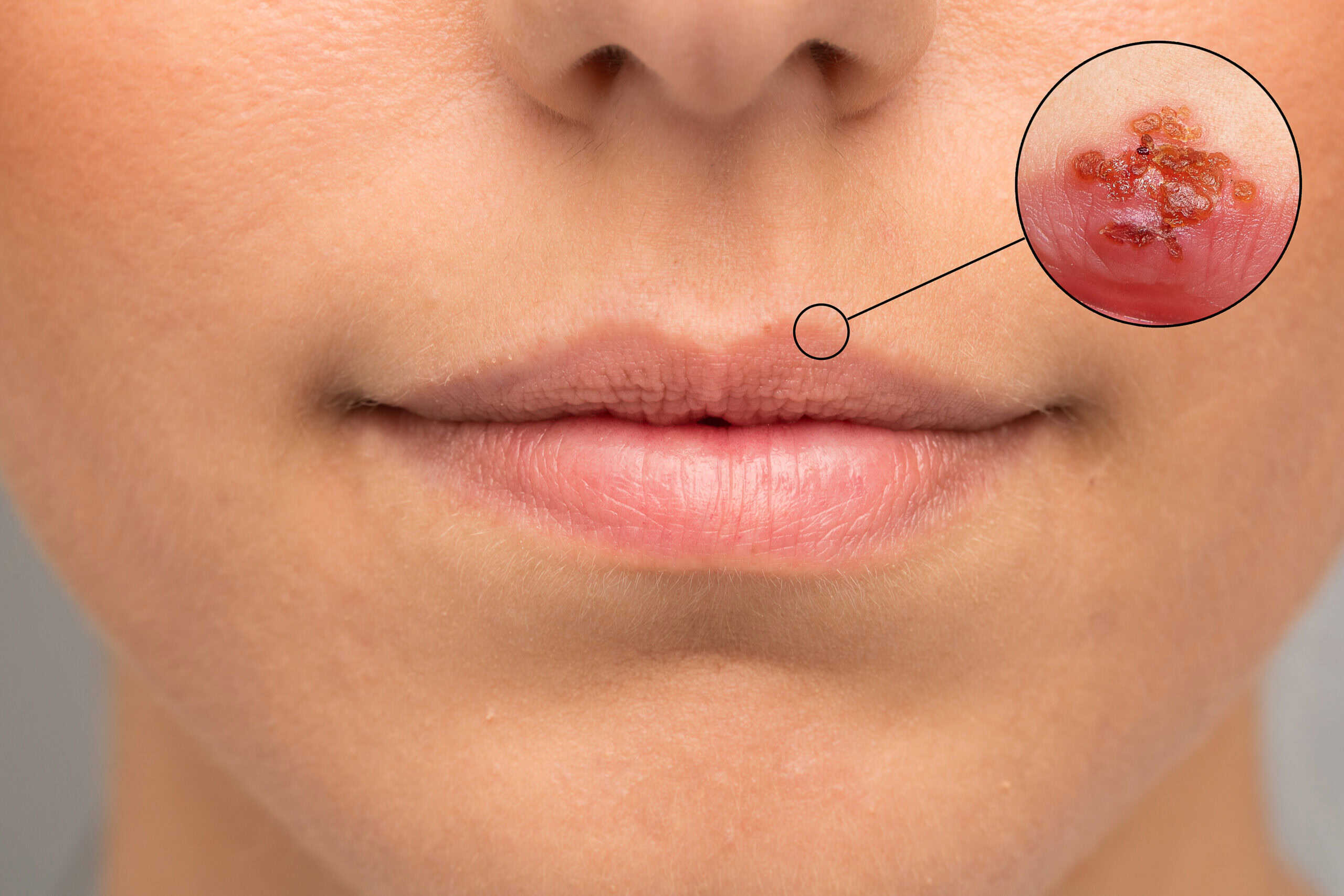
Do I have a cold sore?
What is a cold sore? Cold sores are caused mainly by two herpes simplex viruses (HSVs): herpes simplex-1 (HSV-1) and herpes simplex-2 (HSV-2) (HSV-2). The majority of oral herpes infections are caused by HSV-1, which is most frequently spread through saliva; the majority of genital herpes infections are caused by HSV-2, which is found in vaginal fluids. Orogenital contact, on the other hand, may result in a primary infection of either kind in the oral or genital area. HSV-1 and HSV-2 both have the potential to produce primary or recurrent infections. When a first infection is symptomatic and involves the oral area, it is referred to as primary herpes gingivostomatitis. Although not always, 20–40% of individuals who acquire a first herpes infection develop later recurrent herpes infections as a result of HSV reactivation from dormant cerebral ganglion cells. Oral recurrences often affect the vermilion border of the lips and are referred to as herpes labialis, cold sores, or fever blisters. Recurrences occur less often on the hard palate, chin, or oral mucosa. Around one-third of school-aged children have primary HSV-1 infection , and up to 80% of adolescents and adults have serological evidence of HSV-1 infection. Babies often receive anti-HSV antibodies from their mothers, which protect them against infection until they reach the age of approximately six months. HSV-1 may be spread via close oral-to-oral contact and through contact with virus-infected sores, saliva, and mouth surfaces. Transmission may occur when infected individuals share cosmetics, razors, towels, or dining utensils. After sexual activity starts, the likelihood of HSV-2 infection rises, with risk factors including being female, having a history of sexually transmitted illness, and having numerous sexual partners. Prevention Emotional stress, tiredness, sun exposure (UV light), menstruation and other hormonal changes, fever, heat, upper respiratory tract infection, tooth extraction, and physical trauma or surgery are all common stressors that may trigger recurrences. Take the following preventive steps into consideration: Reduced stress (e.g., healthy diet, enough sleep and exercise, and use of relaxation methods) may help avoid recurrences in people for whom stress is a recognized trigger. In people who report more than one incident per year, prophylactic antiviral therapy prior to dental operations may be recommended to avoid recurrence. Sun protection, particularly at the beach and on ski slopes, may likely decrease the frequency of cold sore recurrences. 30 minutes before to sun exposure, apply a sunscreen with an SPF of 30 or higher on the lips and face. By frequently washing your hands and avoiding skin-to-skin contact with others until the blister has dried and crusted over, you may prevent the spread of cold sores to other areas of your body and to other people. Nonpharmacological Treatment Advise patients to clean the lesion gently with a moderate soap and water solution. Alternatively, cold tap-water compresses may be applied to the region. To minimize autoinoculation and the spread of HSV, patients should avoid excessive touching of the lesion and regularly wash their hands. Heat application is a therapy that has not been tested in randomized trials. Lipstick-shaped devices have been offered for use on regions experiencing prodromal symptoms. The high temperature (50°C) is hypothesized to alleviate the intensity of symptoms such as burning, blistering, itching, and swelling, perhaps by inhibiting viral multiplication. Pharmacologic Treatment In immunocompromised individuals, oral HSV infections are self-limiting. Analgesics may be prescribed to alleviate symptoms, and topical protectants may help prevent the lesions from cracking and drying excessively (e.g., allantoin, calamine, cocoa butter, petrolatum, zinc oxide). Antivirals may be prescribed to immunocompetent individuals who benefit from a reduction in the duration of symptoms. Patients who are immunocompromised should be referred to a qualified health care practitioner for further assessment. The following table summarizes the most often prescribed medicines for the treatment of cold sores. Analgesics For a period of no more than three days, systemic analgesics such as acetaminophen, ibuprofen, or naproxen may be suggested to manage moderate to severe pain. Topical anesthetics such as benzocaine, camphor, lidocaine, menthol, phenol, pramoxine, or prilocaine may be beneficial in temporarily alleviating moderate discomfort. The dosages that are most often utilized are shown in Table 1. Antivirals Without antiviral therapy, the anticipated duration for a cold sore to recover naturally is 7–10 days. Docosanol is a topical drug that inhibits the transmission of the herpes simplex virus to healthy cells. Acyclovir, famciclovir, and valacyclovir have all been investigated for the treatment and prevention of cold sores; however, only valacyclovir is approved by Health Canada for the treatment of cold sores in individuals over the age of 12 years. While oral acyclovir is not officially recommended for the treatment of herpes labialis, it is the only antiviral drug authorized for usage in adults and children (>2 years). Valacyclovir and famciclovir (prodrugs of acyclovir and penciclovir, respectively) enhance the bioavailability of their active forms. In general, these antiviral medicines have minimal harmful effects since they are transformed to active drug only after they reach virally infected cells through viral thymidine kinase. Treatment of primary infections with antivirals Antiviral therapy is often suggested for uncomplicated bouts of primary oral herpes in healthy individuals in moderate and severe cases. Treatment is most successful when started promptly, preferably within 72 hours. In a small randomized controlled study in children, oral acyclovir reduced the duration of symptoms (e.g. fever, odynophagia, lesions) and viral shedding when compared to placebo. Although randomized controlled studies are limited, famciclovir and valacyclovir are acceptable therapeutic options. Typically, therapy lasts seven days but may extend to ten days depending on the severity of symptoms and response to treatment. Treatment with antivirals for recurring infections Three distinct strategies for antiviral therapy of recurring infections are possible: Intermittent episodic therapy (IET) is used to treat isolated, acute HSV infections at the onset of any clinical sign or symptom associated with a primary or recurring infection. Oral acyclovir famciclovir, and valacyclovir are all recommended. Antiviral regimens with high doses
Mister Pharmacist can Prescribe for Cold Soles (herpes labialis) (January 2023)
Herpes labialis is characterized by the appearance of tiny, excruciating blisters, also referred to as cold sores, on or near the lips, nostrils, and mouth. T Typically, children experience the symptoms for the first time. Cold sores typically disappear on their own after 1 to 2 weeks and might arise alone or in tiny groups. The blister typically develops a scab before it cures. Sometimes the presence of blisters is preceded by tingling, itching, discomfort, or burning. Causes Herpes simplex virus, which causes cold sores, spreads by saliva or contact with the blister-like lesions. When they first become apparent until they entirely crust over, they are most contagious. While the herpes virus that affects the mouth and lips can also cause genital herpes and vice versa, cold sores and genital herpes are typically brought on by two separate strains of the same virus. Herpes labialis can infect someone at any time, but for most people, symptoms do not manifest for a long time after the first infection (sometimes years at a time). However, some people may only experience one cold sore episode in their lifetime. Stress, exposure to the sun or cold, and other situations can occasionally make cold sores reactivate. Treatment To stop the infection from spreading to other body regions, stop superinfection, and hasten the healing process, the following steps are advised: Wash your hands often. Wash blisters gently in warm water and light soap. Apply a moisturizing ointment to the lips (e.g., Vaseline). Additionally, your doctor might recommend a medication to treat the virus. When used as soon as a cold sore appears, this sort of treatment is most successful. Other therapies, such as painkillers applied topically (Zilactin®) and orally (Tylenol®, for example), reduce symptoms without addressing the cold sore. Consult Mister pharmacist for more details. He will first recommend over the counter products like Abreva® or sit down with you to review your medical history and prescribe something stronger like Zovirax® and or Valtrex®. Talk to him! Keep your lips moisturized to stop cold sores from coming back. Find out what causes cold sore episodes (stress, sun, cold, etc.) and try to avoid them. Additionally, it is crucial to apply sunscreen before going outside. Finally, until the cold sore has completely healed, take the following precautions to prevent spreading the infection to others: Do not kiss. Do not share towels, lip balm, cups, utensils, or razors. When should I make an appointment with a doctor? if 14 days of treatment have passed with no progress. If the cold sore intensifies or the skin surrounding it turns red (it may be infected). If you experience sickness after getting a cold sore, have a fever, or have swollen lymph nodes. Your doctor might be able to provide medication to lessen the frequency of outbreaks if you experience cold sores frequently (six or more per year).
What Are Cold Sores? A Friendly Guide
Cold sores are those pesky little blisters that often pop up on the outer edge of your lips or near your nostrils. You might also hear them called “fever blisters.” They can show up solo or bring a few friends along, forming a small cluster. These blisters usually fill up with a clear, sticky fluid before breaking open. After that, they crust over and form a scab. Yep, they can be a bit uncomfortable, causing itchiness or even pain. But don’t worry, they usually heal on their own within 1–2 weeks. However, treating them can speed up the healing process. How to Take Care of Cold Sores ???? Hands Off!: Try to avoid touching the cold sore with your fingers. Clean Hands, Happy Life: Wash your hands frequently with soap and water. This not only keeps the sore from getting infected but also prevents the virus from spreading. Gentle Care: Wash the cold sore softly with mild soap and water to keep it clean. Your Towel, Your Rules: Always use your own towel and don’t share it with others. Moisturize: Apply an ointment like Vaseline to keep the sore from drying and cracking, which helps in preventing further infection. How to Prevent Spreading Cold Sores to Others ???? No Sharing Allowed: Avoid sharing utensils, drinking containers, razors, or towels. Sealed Lips: Refrain from kissing or engaging in oral sex while you have a cold sore. Be Extra Cautious: Avoid skin-to-skin contact with vulnerable individuals like young children, people with eczema, or those with compromised immune systems. When to Seek Medical Help ???? Getting Worse?: If the sore worsens or shows signs of infection like redness or pus, consult a healthcare provider. Allergic Reaction: Stop using any numbing ointment if the skin around the sore becomes red and swollen. Persistent Sore: If the sore doesn’t heal after 14 days, it’s time to seek medical advice. Frequent Outbreaks: If you get cold sores often (6 or more times a year), your healthcare provider may prescribe medication to reduce the frequency. Discuss Treatment Options: If you’re looking for medications to make your cold sore less painful or heal faster, consult your healthcare provider. Preventive Measures for Cold Sores ???? Self-Care: Stress and fatigue can trigger cold sores. So, focus on stress management, get enough sleep, and maintain a balanced diet. Sun Protection: Some people get cold sores after sun exposure. Use sunscreen (minimum SPF 30) on your lips and face, and consider wearing a wide-brimmed hat. What Causes Cold Sores? ???? Cold sores are caused by the herpes simplex virus and are most contagious when they first appear until they crust over. Once you have the virus, you may experience occasional outbreaks throughout your life. Triggers can include stress, fatigue, bright sunlight, and hormonal changes. Extra Tips ???? Ointment Application: Use a clean, cotton-tipped swab to apply ointment. If you use your finger, wash your hands before and after. Pain Relief: Consult your healthcare provider for pain medication options like acetaminophen, ibuprofen, or naproxen. Topical Relief: Ask your healthcare provider about ointments or antiviral creams that can relieve pain and itching and may help the sore heal faster. I hope this guide helps you understand cold sores a bit better! Take car
Oral Herpes Labialis (Cold Sores)
You might experience a few of the following signs: rash or lump around the lip’s edge. presence of transparent, gooey fluid surrounding the rash Rash symptoms include tingling, burning, and itching. Skin that is red or irritated around the rash. HOW TO TREAT A COLD SORE (HSV) Herpes labialis, also known as cold sores or fever blisters, is caused by the herpes simplex virus (HSV). The virus is highly contagious and can be spread through direct contact with an infected person or through contact with an object that has the virus on it. So be considerate if you have an active cold sore- don’t share your utensils, your can of Perrier or of course kiss someone! Treatment for herpes labialis typically involves antiviral medications, which can help to reduce the duration and severity of outbreaks. Commonly used antiviral medications for herpes labialis include acyclovir, valacyclovir, and famciclovir. These medications are usually taken orally and can be used to both treat an active outbreak and to prevent future outbreaks. If your assessment or history points to an awakened cold sore episode, Mister Pharmacist will probably issue you a very standard prescription of Valacyclovir (2x 500mg tablets) for 2 doses and an ointment of Acyclovir ointment to be applied 5 times a day. It is important that you contact Mister Pharmacist the morning you feel that the outbreak is making an appearance… -you know – that familiar tingling feeling. Please dont wait more than 3 days to start a treatment since at that point the virus has entered back into your lymph nodes. At that point your sore has probably crusted over and you should watch not to pick at it otherwise it will get infected with bacteria and will need potentially an antibiotic ointment. In addition to antiviral medications, there are several things you can do to help alleviate symptoms and prevent the virus from spreading: Apply a lip balm or cream that contains sunscreen to help protect your lips from further sun exposure, which can trigger outbreaks Apply a lip balm or cream that contains a moisturizer to help keep your lips hydrated You have probably seen recommendation to apply a cream or ointment containing a numbing agent, such as lidocaine, to help alleviate pain and discomfort. Might work. Might not. Apply a cream or ointment containing a drying agent, such as calamine, to help dry up the blister. Avoid touching or picking at the sore to prevent the virus from spreading Practice good hygiene by washing your hands frequently Avoid sharing personal items such as towels, lip balms, or lipsticks and like mentioned before.- no saliva exchange during the first 72 hours of the outbreak. Red Flags that may require you to see a doctor first Red eyes or eye pain Blister/sore present on/around nose Persistent, frequent, or swollen blisters/sores Sore present for more than 2 weeks More than one blister/sore (1+) More than 6 episodes a year First time experiencing a cold sore Poor/weakened immune system (could be from medication or medical condition) Infection suspected (very red/swollen and/or pus) Fever, sore throat, swollen lymph nodes, muscle aches, or generally feeling unwell Age < 12 years old It’s important to see a doctor if you have a persistent or recurrent outbreak, or if your symptoms are severe. It may be a symptom of extremely weak immune system and you need to know what else is going on!
MisterPharmacist™ can Prescribe for Cold Sores (aka Herpes Labialis)

Mister Pharmacist will take through a thorough medical history check and prescribe a prescription product to help reduce the severity of your latest cold sore episode. This starts January 2023 in Ontario